
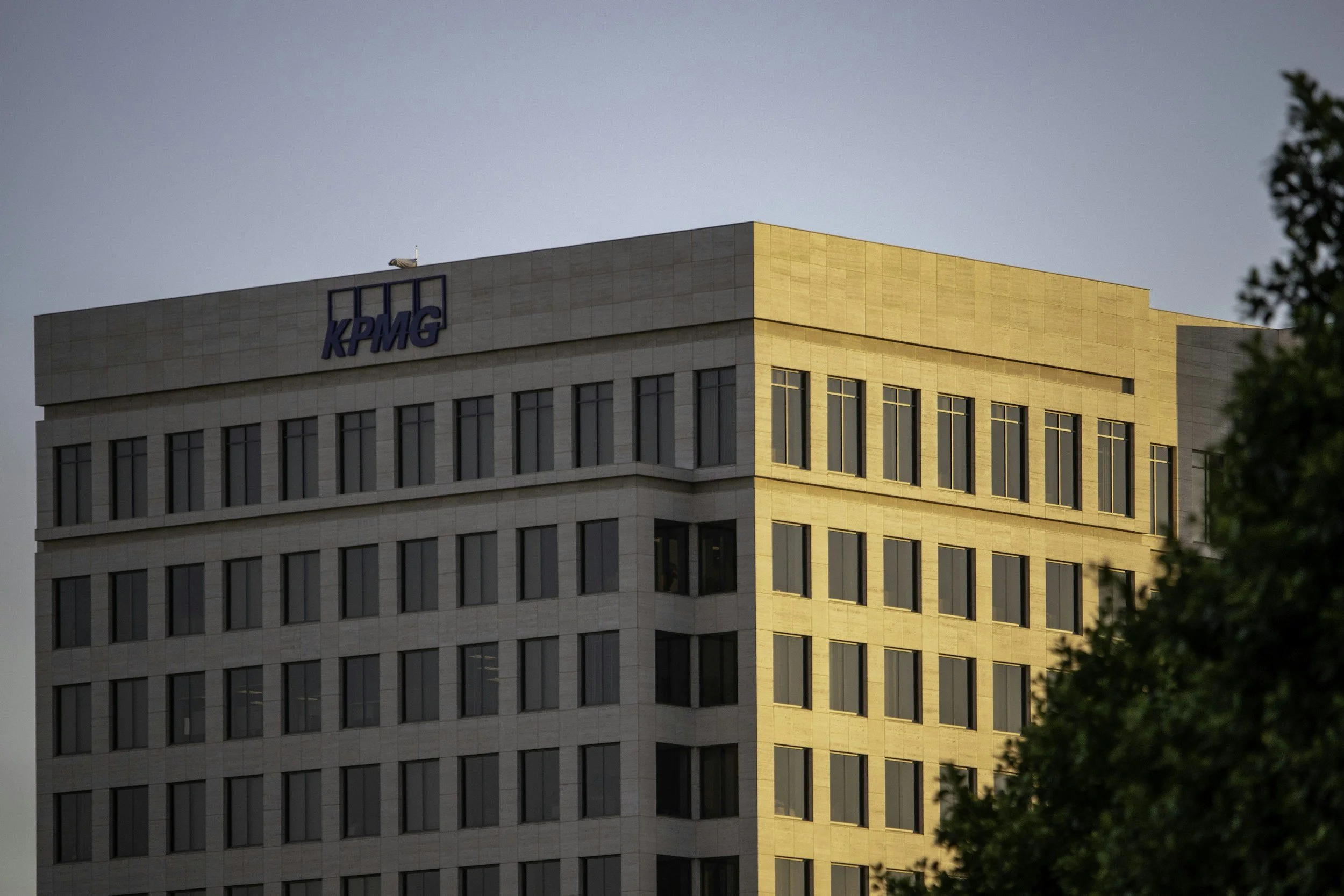
When the watchdog watches itself: lessons from the KPMG Australia scandal
When KPMG suppressed its own whistleblower for two years, the consequences were devastating — a lesson that ignoring internal disclosures is now a direct personal liability for executives.
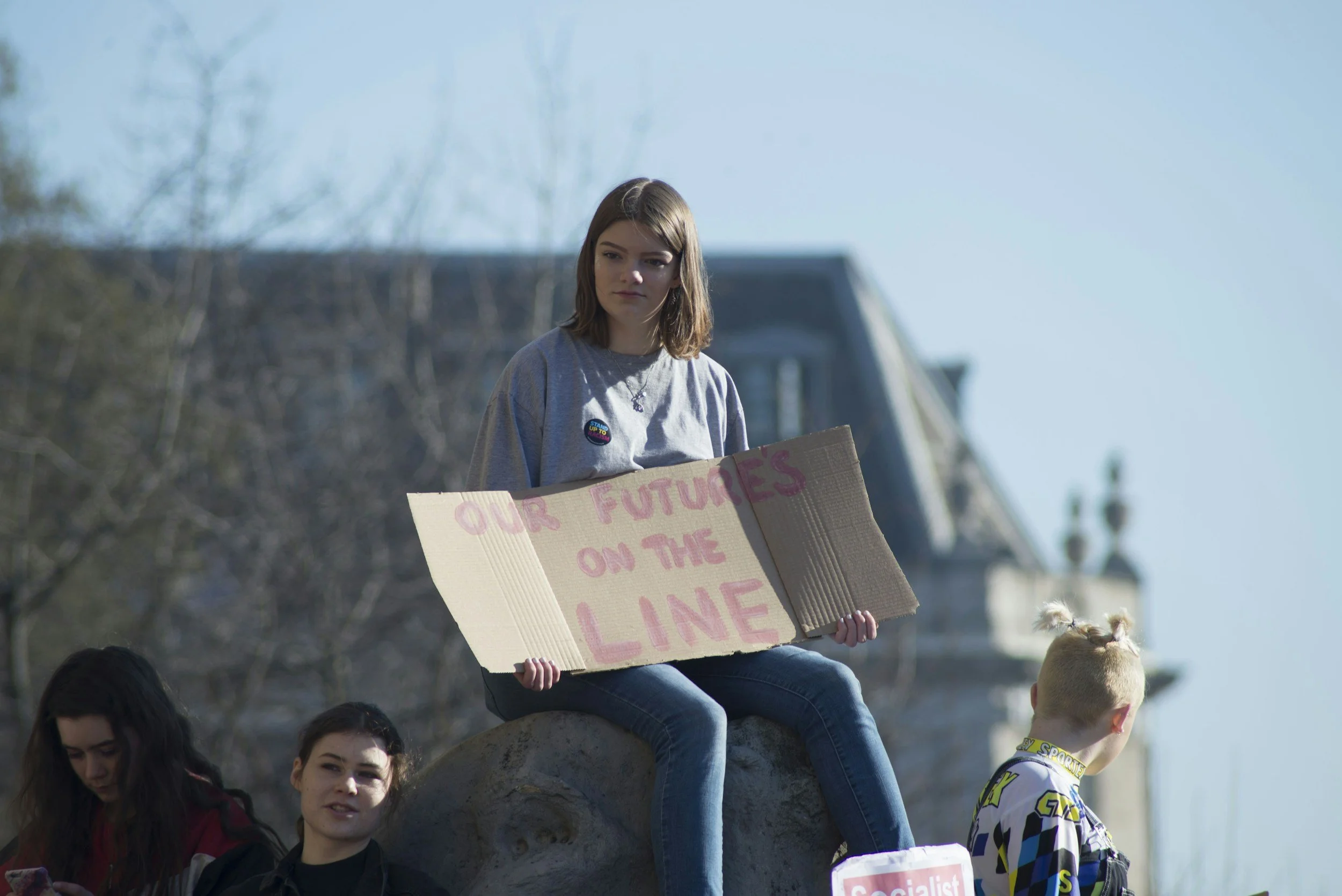
AI-powered surveillance of activists undermines fundamental freedoms
UN Special Rapporteur Gina Romero's report, drawing on 84-country research, warns that AI-amplified surveillance is fracturing civil society – silencing activists, causing severe psychological harm, and eroding the democratic freedoms that human rights defenders exist to protect.
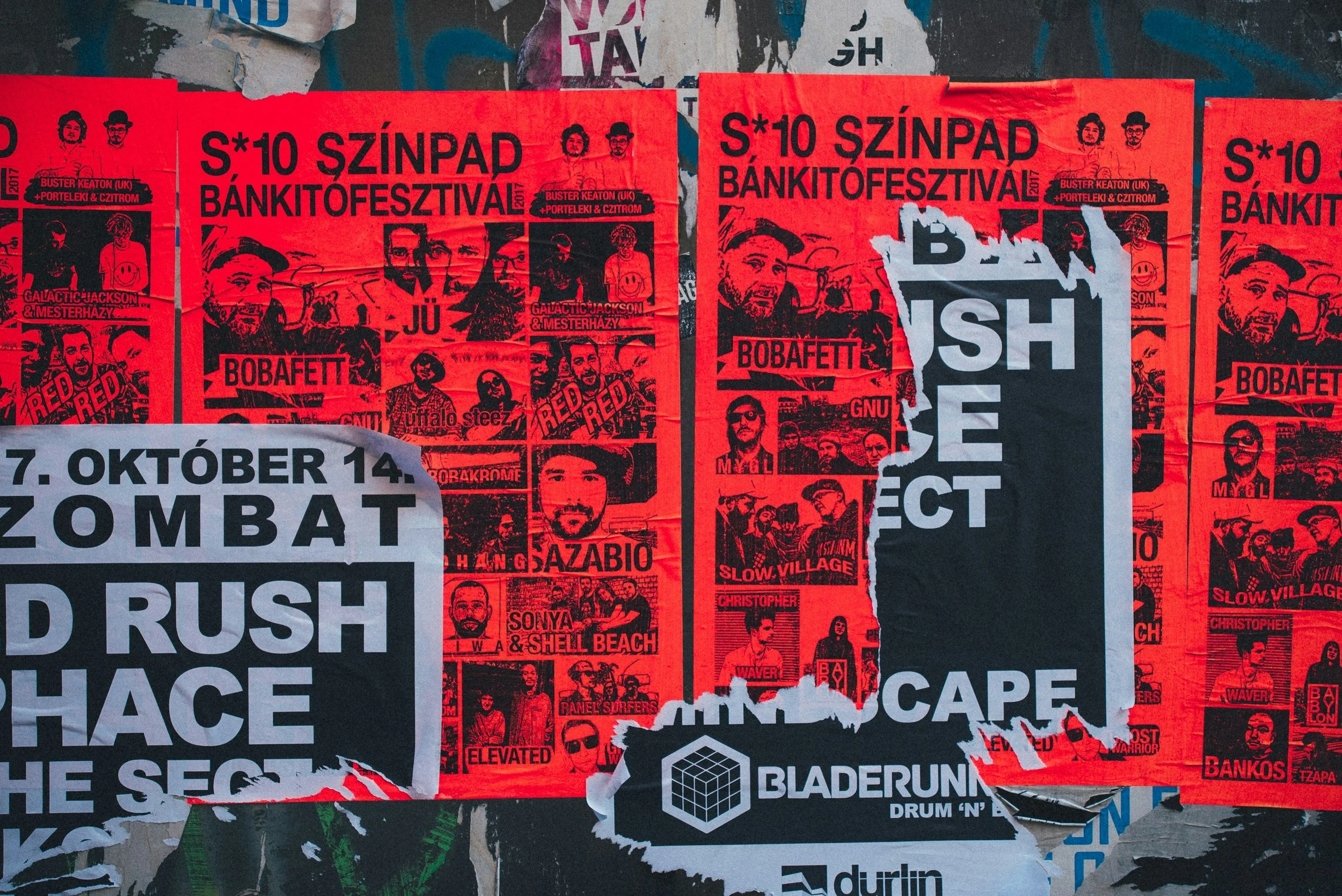
New dawn for press freedom in Hungary
Hungary is dismantling 16 years of Orban-era state media control by abolishing the MTVA propaganda machine, creating an independent media board and establishing a national fund for independent journalism. The test will be if public media dares to criticise its new paymasters.

EU takes bold step on path to tech sovereignty – with mixed results
The EU’s new tech sovereignty package aims to reduce reliance on US and Chinese tech giants. Proposals include mandatory public-sector procurement rules, a four-tier sovereignty risk system, incentives to scale up European chip, AI and cloud capacity, and promoting a stronger open source ecosystem.
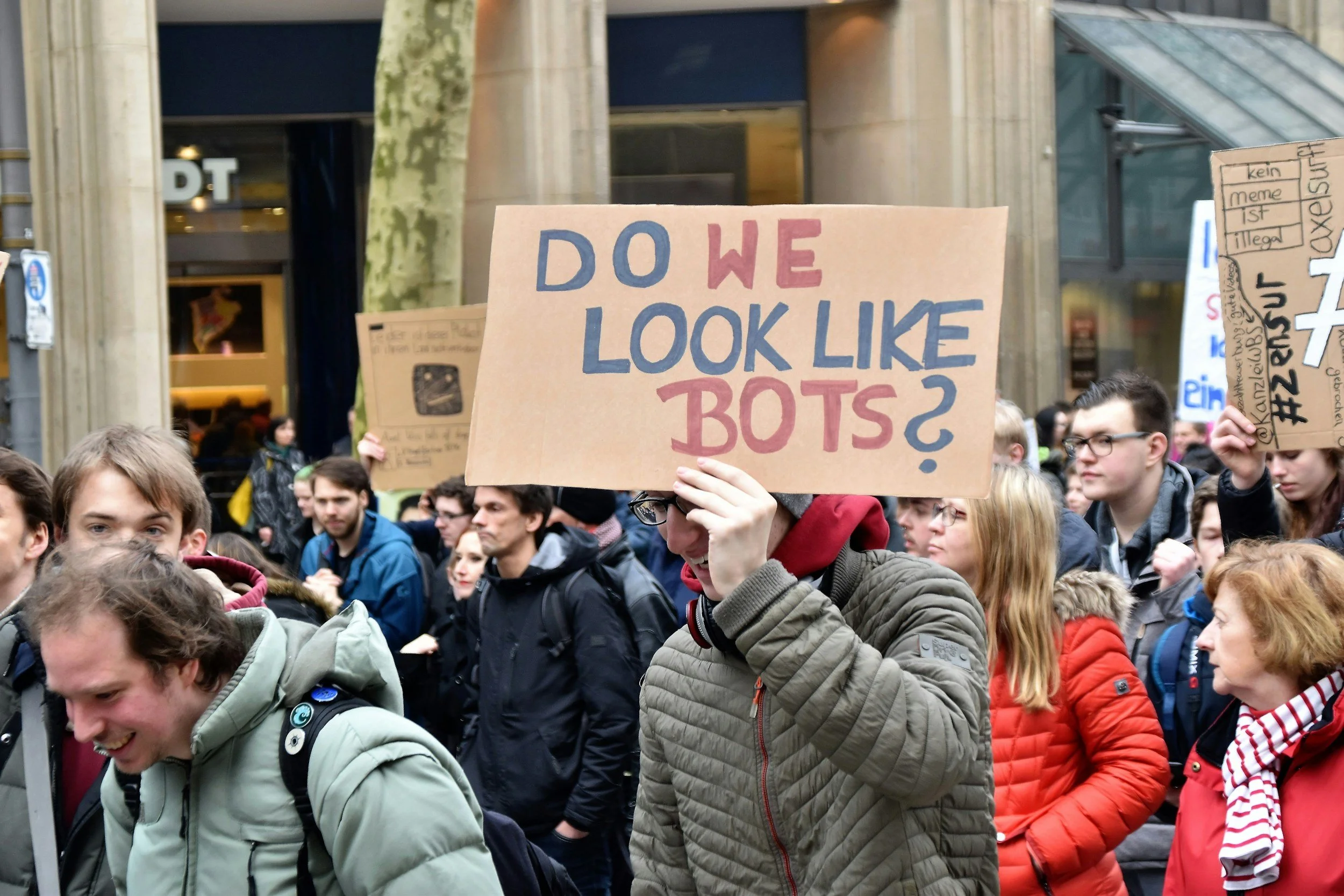
Digital welfare dystopia reloading in New Zealand with new robo law
New Zealand has rushed through a law letting an algorithm decide welfare benefits for pensioners, disabled and ill people. Passed near midnight under urgency with no select committee or public submissions, it echoes Australia's disastrous Robodebt scheme – whose recommended safeguards remain unlegislated three years on.
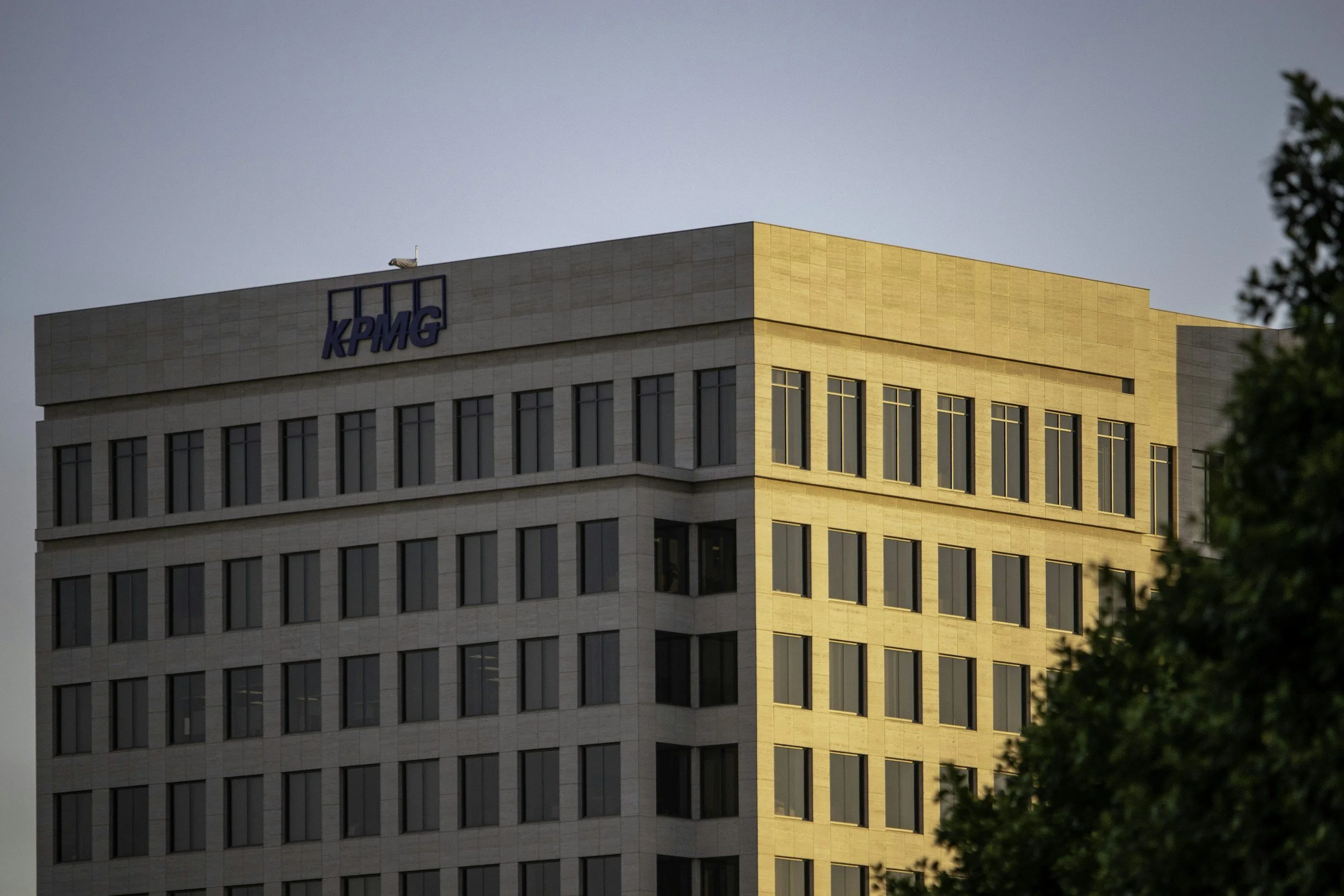
Stench from KPMG Australia whistleblower scandal grows
KPMG Australia's CEO quit after the firm admitted mishandling a whistleblower's claims that audit partners had used confidential client data to win contracts. The scandal is rapidly expanding, with a parliamentary inquiry likely to scrutinise KPMG's own whistleblower hotline service as regulators close in.
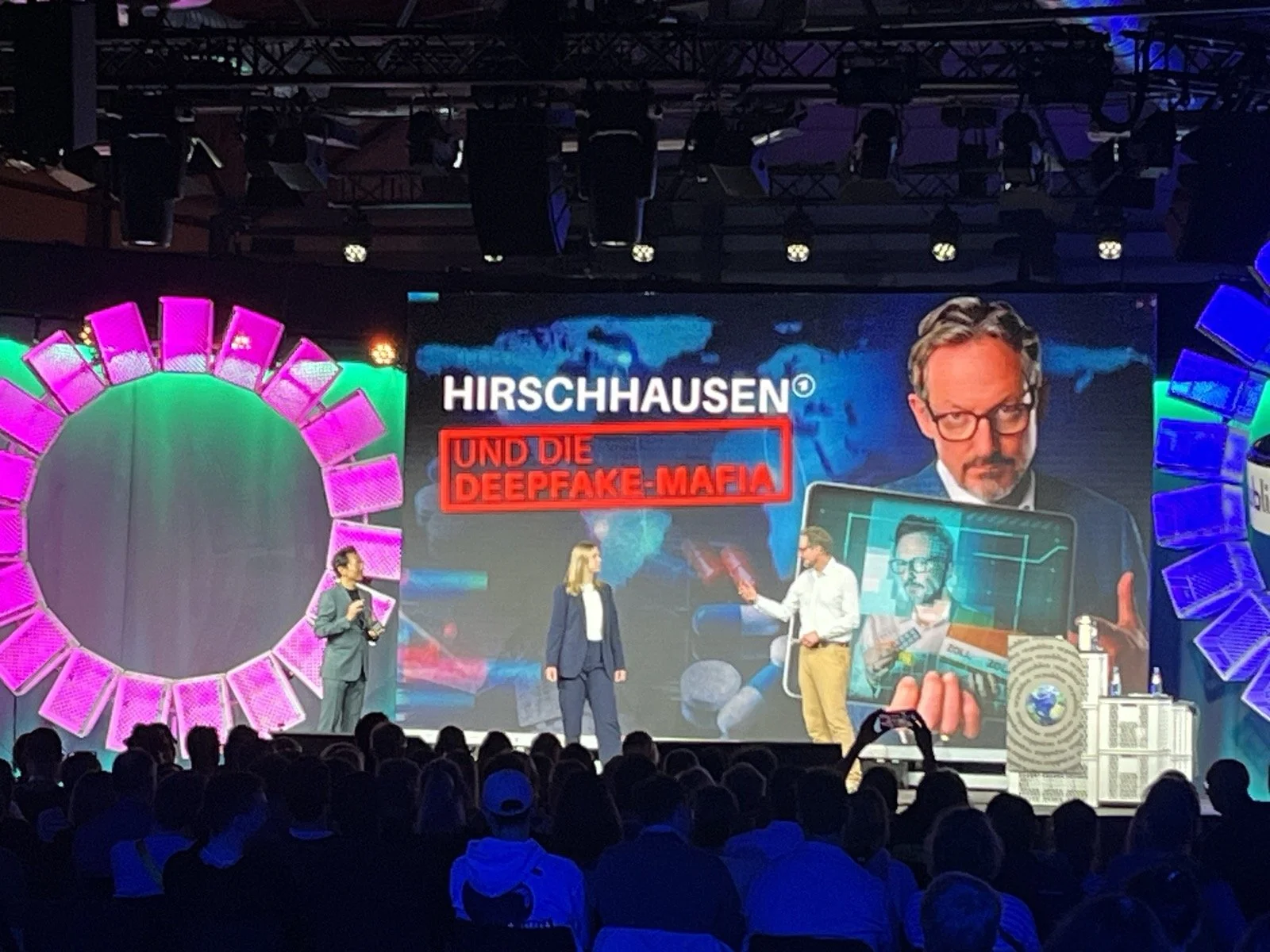
Arming against weaponised deepfakes and engineered consent
Speakers at re:publica 26 traced an arc from ideology to interface to consequence in a world of AI controlled by a handful of tech oligarchs. They argued concentrated power, manufactured consent and hollowing-out of ethical labour practices are all products of choices that can be chosen against – in courts, in workplaces and in public life

Australian youth hooked on illegal smokes as government drops ball
Nearly 80% of tobacco bought by young Australians is illicit, a new study finds, as black market sales boom and weak enforcement undermines decades of public health gains
Help us keep internet freedom tools alive to ensure free speech flourishes
Today we join a group of 10 like-minded projects in exploring a newway to fund internet freedom. Freedom of expression flourishes when it’s unrestricted by censorship and intrusive surveillance. Help us build tools that protect journalists and human rights defenders

Authoritarian AI dystopia poses existential threat to democracy if left unchallenged
At re:publica 26, three speakers mapped the dangers of cybernetic authoritarianism underpinning generative AI controlled by tech oligarchs and empire builders
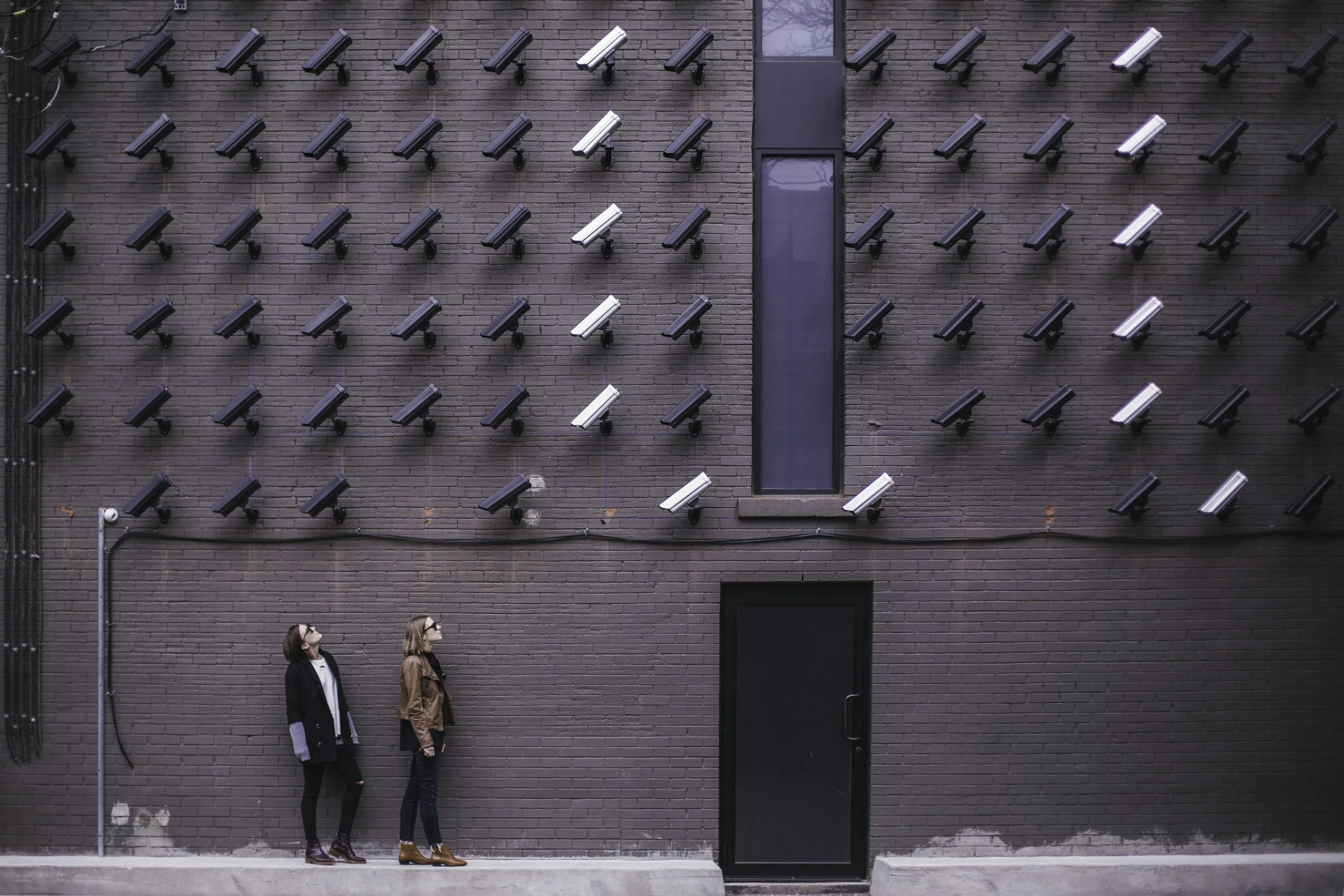
New research paints a bleak picture of industrial-scale surveillance threats
Surveillance now ranks among the top three threats to safety of journalists worldwide. Spying on human rights and truth defenders has gone industrial

‘Eyewear not Spywear’ campaign gains momentum
There’s growing opposition to Meta’s plans to introduce facial recognition to its smart glasses despite being aware of the safety and privacy risks